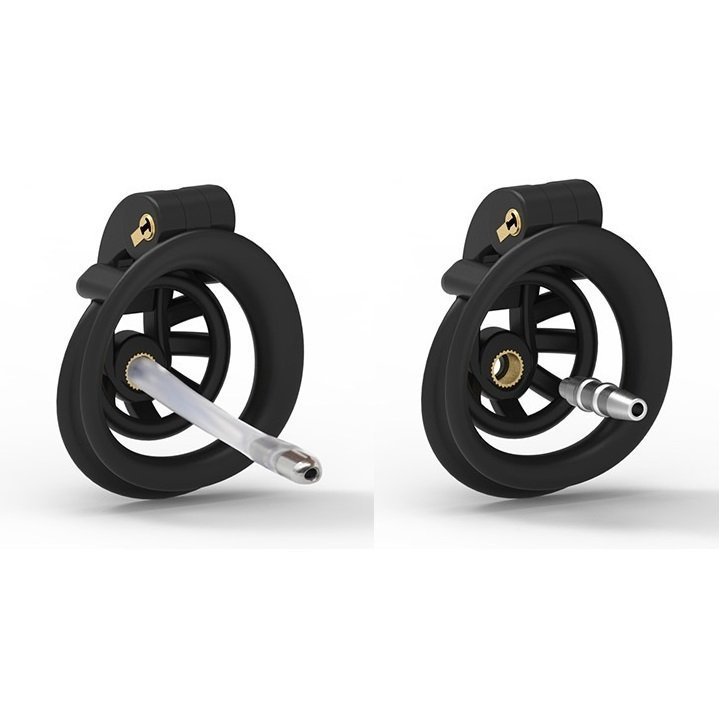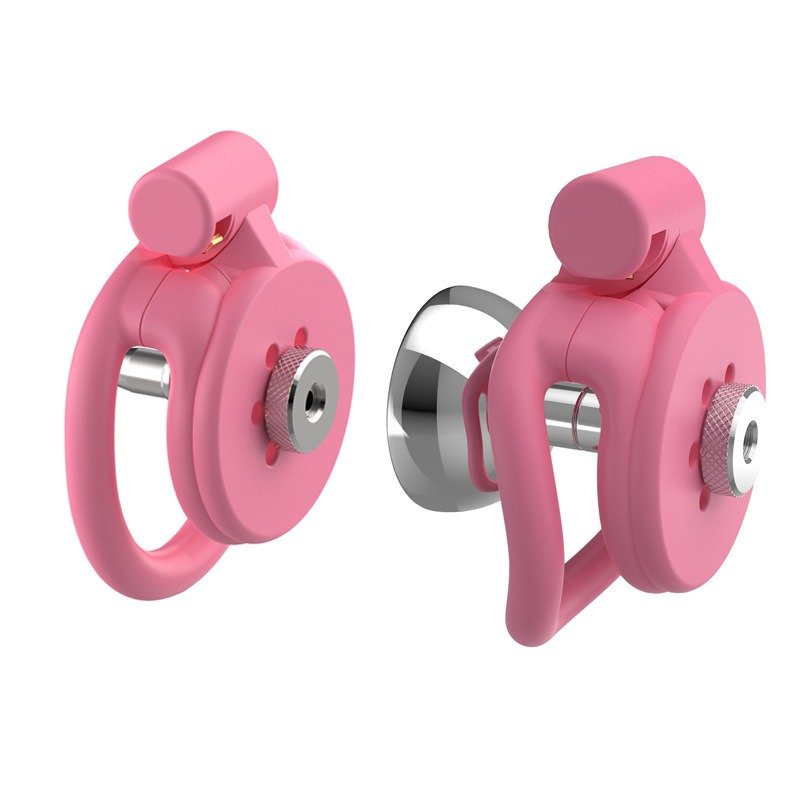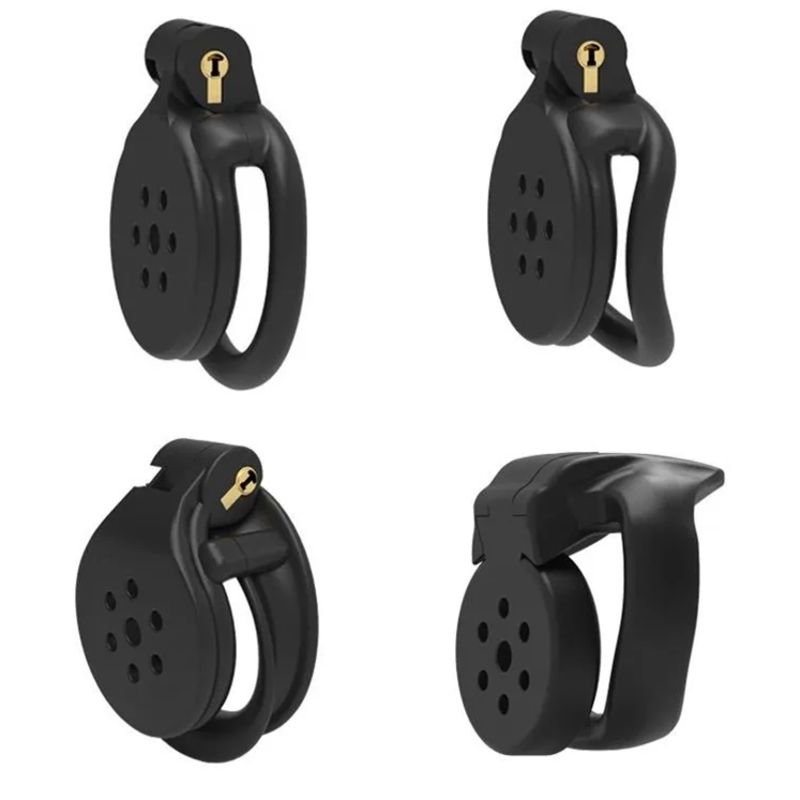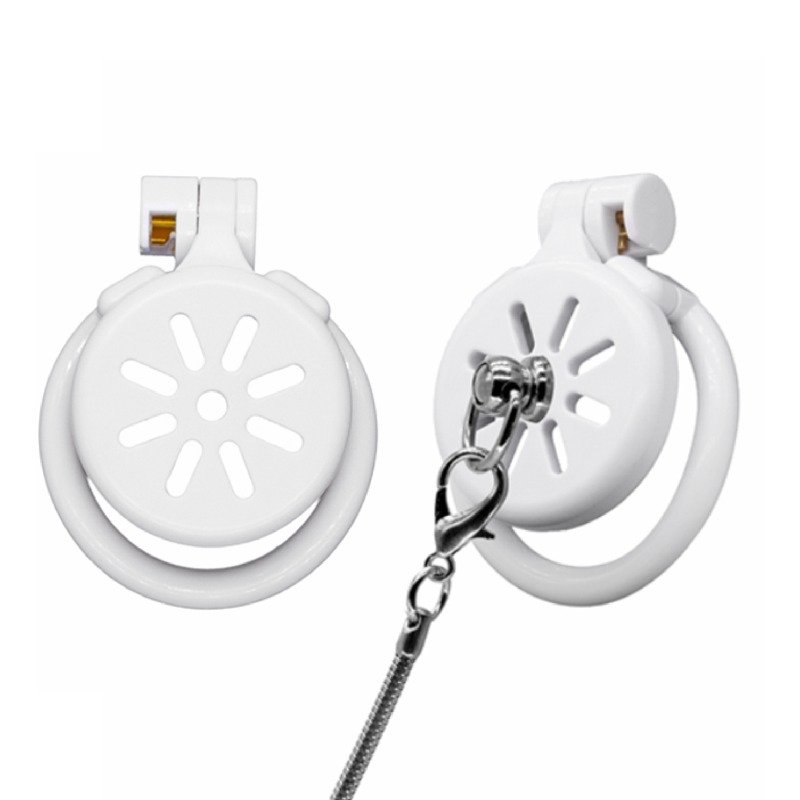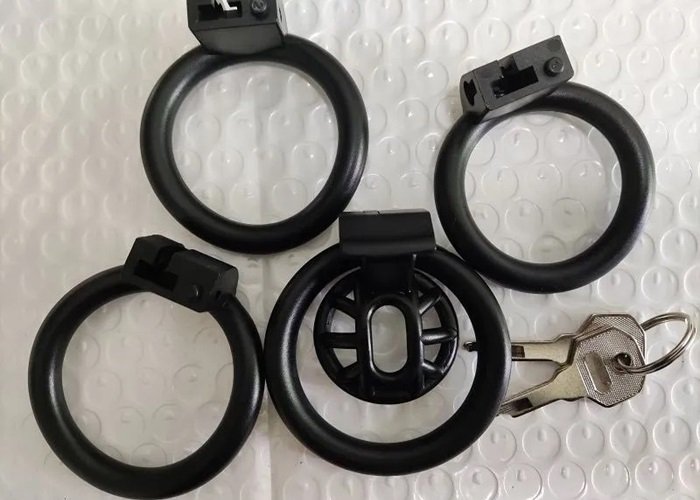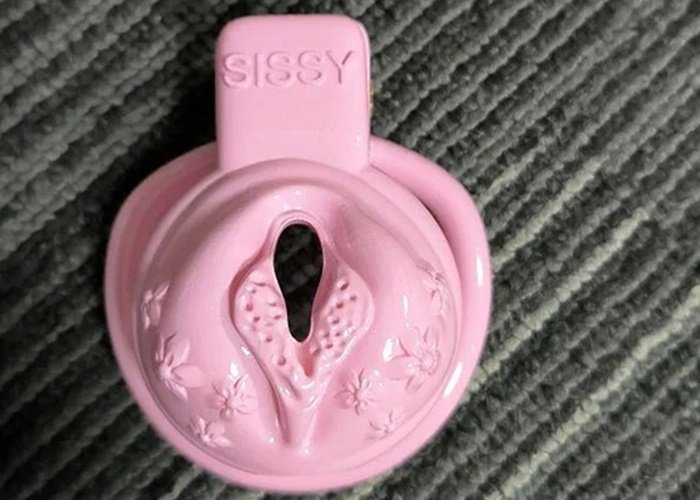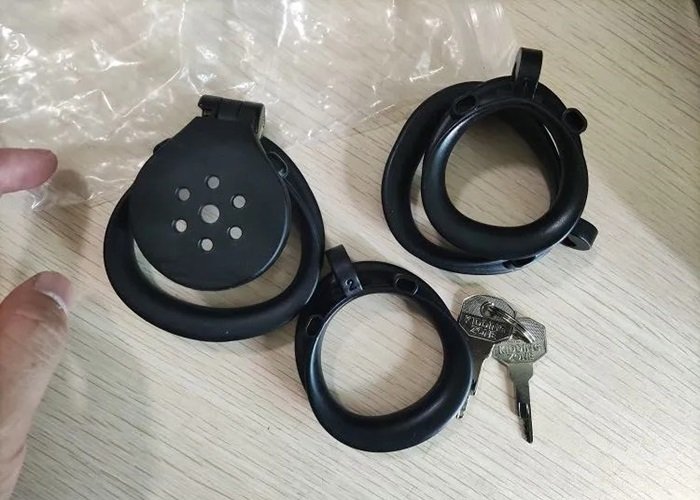
Flat Chastity Device Design and Materials,As an evolution in the male chastity industry, flat chastity device design is rapidly becoming the preferred choice over traditional cylindrical models. For those seeking maximum discreetness and long-term comfort, understanding the design logic and material differences is essential before making a purchase.
This guide explores the technical advantages of flat designs and compares the most popular materials to help you find your “second skin.”
Table of Contents
- Why Choose a Flat Design? (Discreetness & Ergonomics)
- Key Design Elements: Pressure Distribution & Anatomy
- Material Comparison: Metals vs. High-End Polymers
- Ensuring Safety and Hygiene in Flat Devices
- Conclusion: Choosing Your Ideal Setup
1. Why Choose a Flat Design? (Discreetness & Ergonomics)
Traditional chastity cages often feature a rounded, bulbous shape that creates a noticeable bulge under tight clothing or formal wear. The flat design addresses this specific pain point.
- Discreetness: By compressing the external profile, flat devices sit flush against the body. This allows for total “stealth” even when wearing slim-fit suits in an office environment.
- All-Day Wearability: Compared to cylindrical cages, flat structures exert less pressure on the groin area when sitting or walking, making them ideal for long-term denial.
2. Key Design Elements: Pressure Distribution & Anatomy
An effective flat chastity device isn’t just “squashed”; it involves complex ergonomic engineering to remain functional and safe.
Spatial Optimization
Flat devices often utilize an asymmetrical design to accommodate the flaccid anatomy. This ensures that even in a restricted space, blood flow remains healthy, reducing the risk of numbness during extended wear.
Ergonomic Ring Systems
Most high-quality flat devices feature specialized rings (such as curved or elliptical rings). These are designed to follow the curve of the pubic bone, preventing the ring from “cutting” into the skin and distributing the locking pressure evenly.
3. Material Comparison: Metals vs. High-End Polymers
The material directly impacts the weight, sensation, and long-term skin health of the wearer.
| Material | Pros | Cons | Best For |
|---|---|---|---|
| 316L Stainless Steel | Durable, easy to sterilize, premium weight. | Heavy; not for nickel allergies. | Long-term lockups & high-quality feel. |
| Titanium | Ultra-light, biocompatible, corrosion-resistant. | Expensive. | Sensitive skin & maximum lightness. |
| 3D Printed Polymer/Nylon | Perfect fit, lightweight, color variety. | Porous surface needs deep cleaning. | Customization & travel discreetness. |
| Medical-Grade Silicone | Soft, flexible, skin-friendly. | Easier to “escape” or break. | Beginners or short-term play. |
4. Ensuring Safety and Hygiene in Flat Devices
Because flat designs sit closer to the skin, air circulation can be more restricted than in traditional cages. Hygiene management is paramount.
- Ventilation Design: Always ensure your device has sufficient air holes or a clear urethral slot. This isn’t just for urination; it’s vital for keeping the skin dry and preventing dermatitis.
- Daily Maintenance: Clean the device daily with warm water and pH-neutral soap. If using metal, ensure the joints are free of debris.
- Precise Sizing: Flat devices are less forgiving than cylindrical ones. A cage that is too small will restrict blood flow, while one that is too large will lose its discreet “flat” effect.
5. Conclusion: Choosing Your Ideal Setup
Choosing the right flat chastity device design and materials depends on your lifestyle. If you work in a professional office, Titanium or 3D Printed Polymers offer the best concealment. If you crave the cold, heavy sensation of security, 316L Stainless Steel remains the gold standard.
Regardless of your goal—be it long-term denial or psychological submission—understanding these design nuances will ensure a safer and more rewarding journey.
Products by Category
3d Cobra Smallest Chastity Cage with Catheter SQ16171
Original price was: $50.00.$39.99Current price is: $39.99.
3D Flat Chastity Cage Q603006
$49.993D Flat Cobra Chastity Cage Male SQ15969
Original price was: $50.00.$29.99Current price is: $29.99.ABS Flat Chastity Cage Q504019
Price range: $39.99 through $43.99